We provide an ambitious, knowledge-rich and carefully designed curriculum that prepares every child for success in school and in later life.
Our curriculum is designed to inspire curiosity, build secure subject knowledge and foster a lifelong love of learning. We ensure that all pupils, regardless of background or starting point, develop the knowledge, skills and character they need to become confident, successful and responsible members of society.
We offer a broad and balanced curriculum that meets the requirements of the National Curriculum while also reflecting the unique context of our school and community.
Ambition for all learners
We have high expectations for every child. Our curriculum is deliberately ambitious and ensures that all pupils access powerful knowledge across all subjects.
We do not limit opportunity. Instead, we ensure that all pupils experience a rich curriculum that promotes academic achievement, creativity, cultural understanding and personal development.
Reading is central to our curriculum because it unlocks learning across all subjects. We are equally ambitious for pupils with SEND and those who are disadvantaged, ensuring that every child is supported and challenged to achieve their full potential.
Through high-quality texts, meaningful experiences, educational visits and carefully planned learning opportunities, we aim to raise aspirations and broaden children’s horizons.
Building knowledge over time
Our curriculum is carefully sequenced so that learning builds progressively from Early Years through to Year 6.
We identify the essential knowledge, vocabulary and concepts pupils need to learn in each subject and structure learning so that new content builds on secure foundations. Prior learning is regularly revisited through retrieval, discussion and application, helping children to strengthen long-term memory and make meaningful connections across subjects.
As pupils progress, they become increasingly confident in using subject-specific vocabulary, explaining their thinking and applying knowledge in different contexts. This ensures they are well prepared for the next stage of their education.
Learning in context
Our curriculum reflects the identity and context of East Ferry and the wider Isle of Dogs community.
We use our local area purposefully to bring learning to life and help children understand the history, geography, culture and ongoing development of their surroundings. From the area’s maritime heritage to the modern development of Canary Wharf, pupils develop a strong sense of place alongside an understanding of the wider world.
We also ensure that pupils are exposed to a wide range of experiences that build cultural capital, raise aspirations and celebrate diversity. This includes educational visits, visitors, performances and enrichment opportunities that deepen learning and broaden horizons.
Inclusion
We believe that every child can achieve.
Our curriculum is designed to be inclusive while maintaining high expectations for all learners. Through adaptive teaching, careful scaffolding and well-targeted support, we ensure that all pupils, including those with SEND and those who are disadvantaged, can access the full curriculum and experience success.
We recognise and value the strengths of every child and work to ensure that all pupils feel included, supported and able to achieve their best.
See below for more information on individual subjects:
Art & Design
Our vision
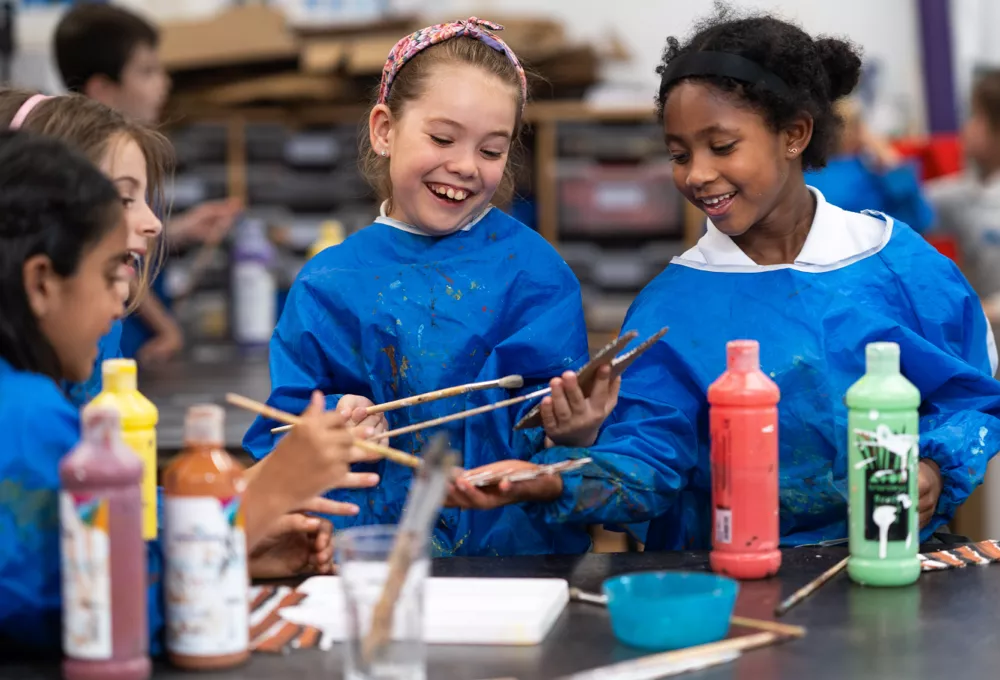
At East Ferry, children will be inspired, informed and challenged to create artwork in a variety of mediums. They will develop a secure understanding of the eight visual elements of art – line, shape, colour, tone, pattern, texture, space and form – and embed the skills needed to create unique, individual and high-quality outcomes.
Through observation and experimentation, children will build upon prior learning, practising and refining techniques over time to achieve mastery. Through our artist-led curriculum, pupils will encounter influential artists and artistic traditions from different historical periods, cultures and faith backgrounds. Using a rich artistic vocabulary, they will learn to critique, analyse and evaluate artwork thoughtfully whilst developing their own creative voice.
Our curriculum
In Key Stage 1 and Key Stage 2, Art and Design is taught through carefully sequenced units of work that progressively develop pupils’ substantive, theoretical and disciplinary knowledge. Composite outcomes are broken down into smaller component tasks, enabling children to build confidence, deepen understanding and achieve success in a range of artistic techniques and processes.
Across the curriculum, pupils engage with six artistic disciplines: drawing, painting, collage, sculpture, printing and textiles. These disciplines are revisited throughout the primary years, allowing children to refine their technical proficiency, broaden their artistic understanding and develop increasing independence as artists.
Developing as artists
Our artist-led curriculum has been deliberately sequenced so that pupils encounter a diverse range of artists, artistic movements and cultural traditions in a broadly chronological order. This enables children to understand how artistic styles, techniques and ideas have evolved over time whilst recognising the influence of historical, religious and social contexts on artistic expression.
Through observation, experimentation, refinement and evaluation, pupils learn that artistic success is achieved through practice, resilience and reflection. Using subject-specific vocabulary, they analyse and discuss artwork critically, drawing inspiration from others whilst developing originality and confidence within their own creative practice.
Curriculum information
Please explore our Art and Design Progression Documents below for further information about the knowledge, skills and concepts taught within each year group.
Computing
Our vision
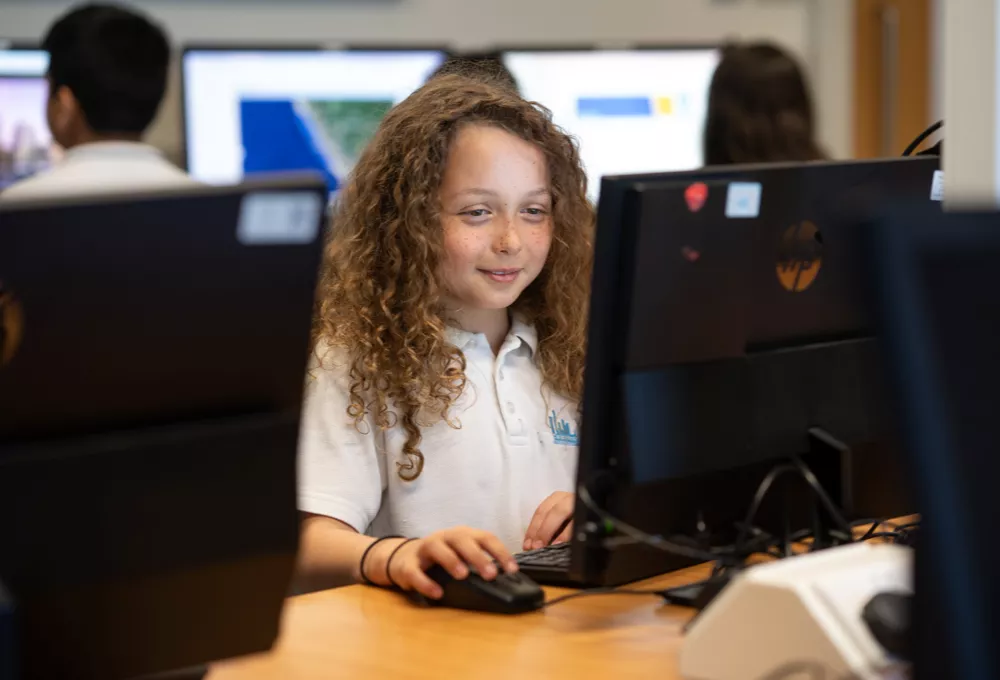
At East Ferry, our Computing curriculum is designed to equip pupils with the knowledge, skills and understanding required to thrive in an ever-evolving digital world. We aspire to develop confident, creative and critically informed digital citizens who understand both the opportunities and responsibilities that accompany the use of technology.
Through a carefully sequenced curriculum, pupils become effective problem-solvers, responsible users of technology and innovative thinkers, prepared for life in an increasingly interconnected society.
Our curriculum
Our ambitious curriculum has been deliberately designed to ensure that pupils progressively develop their understanding across the key strands of computer science, digital literacy, online safety and emerging technologies. Knowledge and skills are carefully sequenced from Reception to Year 6, enabling children to revisit, apply and deepen their understanding over time.
Through purposeful and engaging contexts, pupils are empowered to become creators as well as consumers of technology, developing computational thinking, digital creativity and the ability to evaluate information critically.
Recognising the rapidly changing nature of the digital landscape, our curriculum extends beyond the expectations of the National Curriculum by introducing pupils to contemporary developments, including virtual reality and artificial intelligence. This ensures that children are not only prepared for the technology of today but are equipped to navigate the opportunities and challenges of tomorrow with confidence and curiosity.
Staying safe online
Online safety is a fundamental thread that runs throughout our Computing curriculum. Through regular discussion, exploration of authentic scenarios and the development of age-appropriate strategies, pupils learn to make informed decisions, manage risk effectively and engage positively within digital spaces.
By the time they leave East Ferry, children will have developed the technical expertise, critical awareness and ethical understanding needed to participate safely, responsibly and successfully in modern society.
Curriculum information
Please explore our Computing Progression Documents below for further information about the knowledge, concepts and skills taught within each year group.
DT
Our vision
At East Ferry, we believe that Design and Technology enables children to become creative thinkers, innovative designers and reflective learners. Through investigating, designing, making and evaluating, pupils learn to take risks, solve problems and apply knowledge from a range of disciplines. Our ambitious curriculum equips children with the technical knowledge, practical skills and confidence needed to succeed both within the subject and beyond the classroom.
Our curriculum
In Key Stage 1 and Key Stage 2, Design and Technology is taught through carefully sequenced units of work that progressively develop both substantive and disciplinary knowledge. Composite outcomes are broken down into smaller component tasks to ensure a structured and progressive learning experience, enabling children to build technical expertise whilst developing creativity, resilience and an understanding of the iterative design process.
Across the curriculum, pupils engage with a broad range of contexts including structures, mechanisms, electrical systems, textiles and food technology. In DT lessons, children are presented with a design brief and taught to design and create products that are both functional and aesthetically appealing, considering the needs and preferences of the intended user.
Pupils generate and communicate ideas through discussion, annotated sketches, templates and, where appropriate, digital technology. Evaluation is modelled and revisited throughout the learning journey, enabling children to reflect critically on their work and understand how products can be refined and improved, for example by enhancing their strength, stability, usability or appearance.
Bringing DT to life
Within food technology, pupils develop an understanding of healthy eating and the principles of a balanced diet, applying this knowledge to prepare and make a range of predominantly savoury dishes. Children also learn about the origins of food and how ingredients are grown, reared, caught and processed.
By tasting, evaluating and refining their products, pupils further develop their practical skills, nutritional awareness and confidence in making informed choices about the foods they eat. Through designing and making products for real purposes and users, children understand the relevance of Design and Technology in everyday life and recognise its role in shaping the world around them.
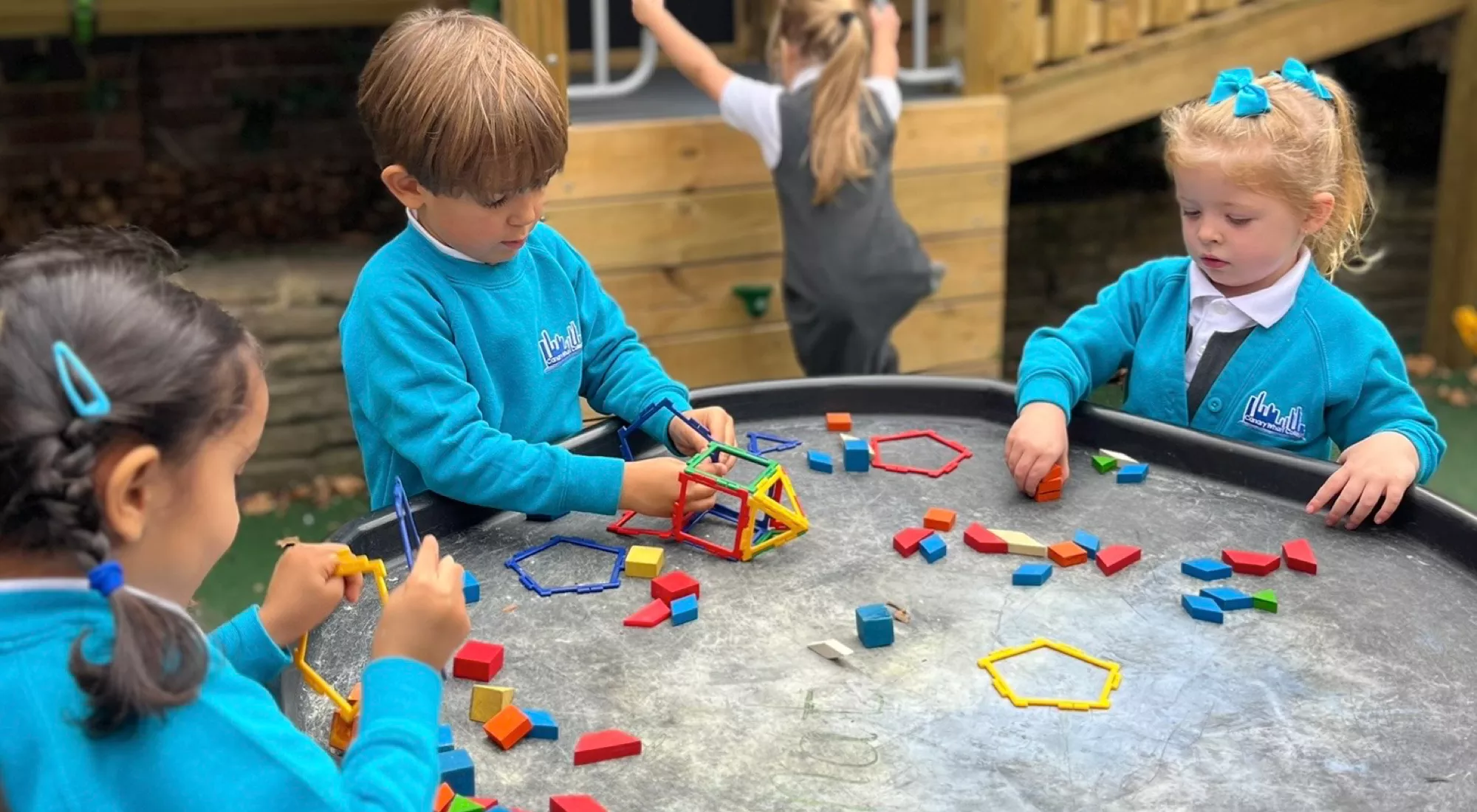
Curriculum information
Please explore our Design and Technology Progression Documents below for further information about the knowledge, skills and concepts taught within each year group.
English: Reading and Phonics
Our vision
At East Ferry, we believe that reading is the gateway to all learning. Through our ambitious reading curriculum, children will gain a secure understanding of phonics to achieve fluency and read with accuracy, confidence and expression. They will master comprehension skills, enabling them to access and deepen their knowledge and understanding across the wider curriculum.
Pupils will develop rich reading capital through exposure to a range of classic, well-known and high-quality literature. Through daily encounters with diverse, ambitious and engaging texts, children will cultivate a genuine love of reading that extends beyond the classroom. We aspire for every child to leave East Ferry as a fluent reader, a thoughtful communicator and a lifelong lover of literature.
Early reading and phonics
Reading begins from the very first week of Reception through our systematic and rigorous phonics programme. Children learn to recognise sounds, blend them to read words and apply their growing phonic knowledge with increasing confidence and fluency. Alongside this, pupils enjoy daily opportunities to listen to, discuss and explore high-quality stories, rhymes and poems, helping them to develop language, vocabulary and a love of reading from the very start of their school journey.
We are committed to ensuring that every child becomes a successful reader. Pupils who require additional support are identified quickly and receive timely intervention through targeted tutoring and the Fresh Start programme, enabling them to catch up rapidly and access the wider curriculum successfully.
To strengthen the partnership between home and school, families of children accessing phonics are provided with QR code links to the Ruth Miskin parent portal. These resources enable parents and carers to practise sounds, blending and early reading strategies at home, ensuring consistency and confidence in supporting their child’s reading journey.
Whole-class reading
Once pupils have secured the foundations of reading, they move into our carefully sequenced whole-class reading curriculum. Reading lessons explicitly teach the key skills needed to become successful readers, including vocabulary, retrieval, inference, summarising, prediction, and explaining and evaluating authors’ choices.
These skills are progressively developed from Reception to Year 6, enabling pupils to build upon prior learning and become increasingly confident, reflective and independent readers over time. Each week, lessons prioritise a specific reading skill, allowing children to develop expertise whilst applying their understanding across a broad range of carefully selected texts.
To ensure that all pupils can access the same ambitious curriculum, our lowest-attaining readers participate in pre-teaching sessions four times each week. This provides them with the vocabulary, background knowledge and confidence needed to engage fully in whole-class reading lessons alongside their peers.
Our reading curriculum
Our reading spine has been thoughtfully designed to expose pupils to a diverse range of authors, genres and perspectives. Children encounter fiction, non-fiction and poetry from different periods, cultures and traditions, enabling them both to see themselves reflected in what they read and to explore experiences beyond their own.
Texts have been deliberately chosen to build pupils’ knowledge of the world, broaden vocabulary, deepen cultural understanding and foster empathy. Pupils study classic literature alongside contemporary texts, newspaper reports, biographies and high-quality non-fiction, ensuring that they develop both academically and personally through the books they encounter.
Reading for pleasure
Developing a lifelong love of reading lies at the heart of our curriculum. We create regular opportunities for children to enjoy, explore and talk about books throughout the school week.
Our whole-school Reading Challenge is one important part of this. Each year group has a carefully selected collection of 36 high-quality books, chosen to introduce pupils to a rich range of authors, genres, themes, cultures and experiences. Children are encouraged to read these books throughout the year, alongside their usual reading books and their achievements are celebrated each half term.
In addition, every class enjoys daily story time, using a separate carefully chosen reading spine. These sessions give children the opportunity to hear high-quality texts read aloud by their teacher, encounter ambitious vocabulary and authors they may not yet choose independently, and share the enjoyment of a story together.
Every class also has a weekly library session, providing protected time to browse, choose and enjoy books in our library. These relaxed, cosy reading sessions with their teacher help children discover new interests, recommend books to one another and develop positive habits as independent readers.
Together, our Reading Challenge, daily story time and library sessions form key parts of our wider reading culture, ensuring that children experience reading not simply as something they learn to do, but as something they choose, value and enjoy.
Supporting reading at home
Parents and carers play a vital role in developing successful readers. We encourage families to hear their child read regularly, discuss books together and celebrate reading as an enjoyable part of everyday life. These shared experiences help to build confidence, deepen understanding and foster a lifelong love of literature.
Reading progression
Our reading curriculum has been carefully sequenced from Reception to Year 6. Progression documents demonstrate how pupils develop increasingly sophisticated reading skills over time, alongside exposure to a broad and ambitious range of texts.
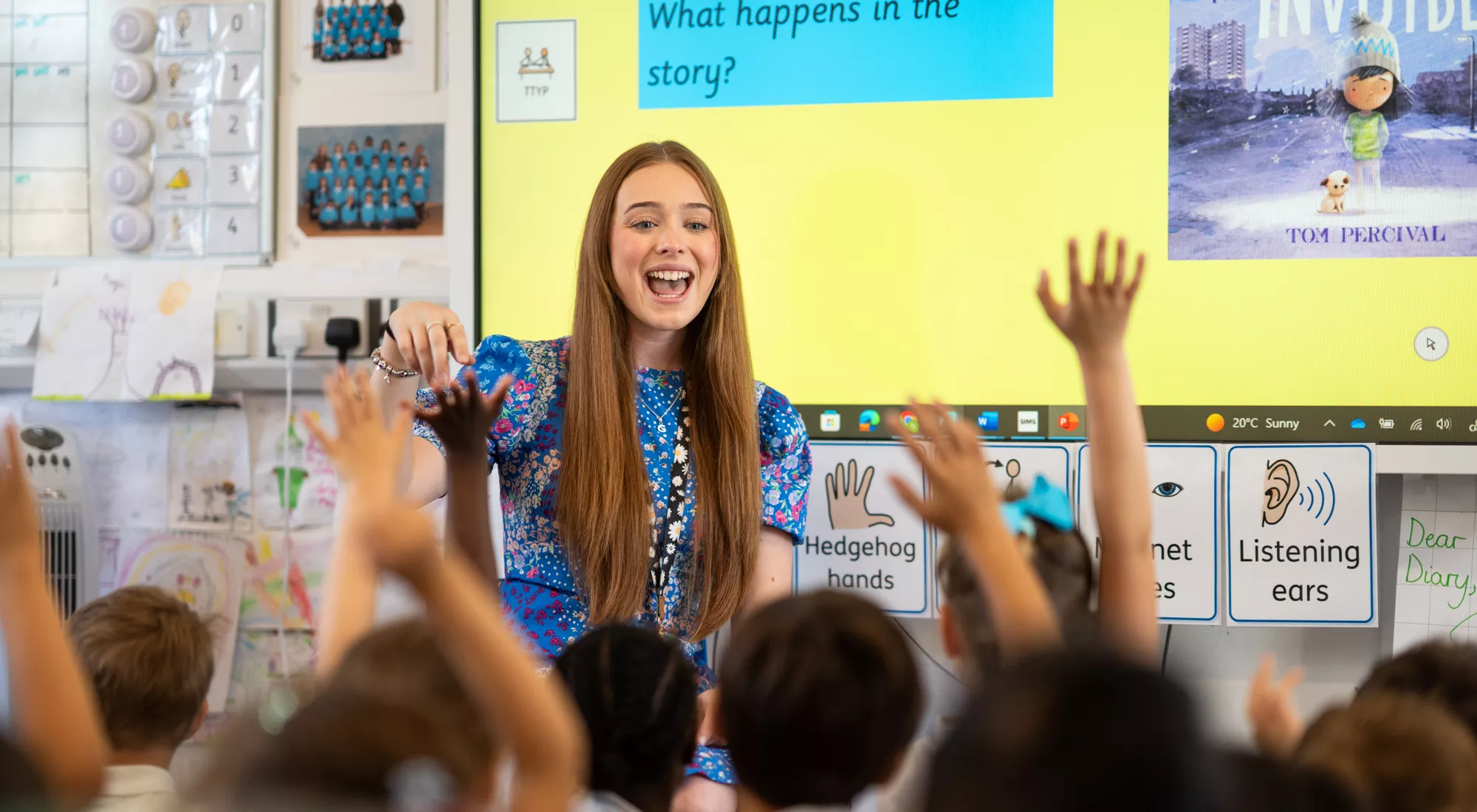
Curriculum information
Please explore the documents below to learn more about our Reading Curriculum, progression of reading skills and whole-class reading text choices.
Reading Challenge:
The Reading Challenge – Year 6
The Reading Challenge – Year 5
The Reading Challenge – Year 4
The Reading Challenge – Year 3
The Reading Challenge – Year 2
The Reading Challenge – Year 1
The Reading Challenge – Reception
English: Writing
Our vision
At East Ferry, we believe that every child should leave school as a confident and effective communicator with a passion for writing. Through rich language experiences, high-quality texts and carefully sequenced teaching, we aim to develop pupils who can express themselves creatively, accurately and purposefully across a range of contexts.
Our writing curriculum
Writing is taught daily through a carefully planned curriculum that builds progressively from Reception to Year 6. Our writing curriculum is closely linked to the high-quality texts studied in reading, allowing children to explore how authors craft language before applying these techniques within their own writing.
Children encounter a broad range of genres, including narratives, recounts, persuasive texts, poetry, newspaper reports, explanation texts and information writing. These genres are revisited throughout their time at East Ferry so that pupils continually build upon prior learning and develop increasing confidence, independence and sophistication as writers.
Through carefully sequenced units of work, children are immersed in high-quality model texts, develop an understanding of the features and conventions of different genres and learn how to write effectively for a range of audiences and purposes.
Developing writers at East Ferry
Oracy plays an important role in our writing curriculum. Through partner talk, story mapping and oral rehearsal, children are encouraged to explore ideas collaboratively before transferring them into their written work. These opportunities help pupils organise their thinking, refine their ideas and develop confidence in expressing themselves.
Vocabulary is explicitly taught within each unit of work, enabling pupils to understand and apply ambitious language choices appropriate to the genre being studied. Through repeated exposure and purposeful application, children develop an increasingly rich and sophisticated vocabulary that enhances both their spoken and written communication.
Grammar and punctuation are taught in context, linked directly to the genres and writing outcomes being studied. This enables children to understand how language choices contribute to the effectiveness of their writing and supports them in applying grammatical knowledge meaningfully within their own compositions.
We also use Alan Peat sentence structures to support pupils in developing sentence fluency, variety and sophistication. Teachers explicitly model the writing process, demonstrating how effective writers make decisions about vocabulary, sentence construction and organisation. Through planning, drafting, editing and redrafting, children learn that writing is a process and that thoughtful revision strengthens the quality of their work.
Across the curriculum, pupils are encouraged to make ambitious vocabulary choices and take pride in producing writing that reflects their very best efforts.
Securing strong foundations
We recognise that strong foundations are essential for children to become successful writers. Our carefully designed foundational knowledge documents identify the key knowledge and skills pupils must secure at each stage of their writing journey. Through systematic teaching and regular opportunities to revisit and apply prior learning, children develop the transcriptional and compositional skills needed to write with increasing confidence, accuracy and independence.
The impact of our writing curriculum
By the time children leave East Ferry, they will:
- write confidently and independently for a range of audiences and purposes;
- apply grammar, punctuation and spelling accurately within their writing;
- use an increasingly ambitious and varied vocabulary;
- draw upon a wide repertoire of sentence structures to enhance composition;
- plan, edit and improve their work effectively;
- communicate ideas clearly, creatively and persuasively;
- take pride in themselves as writers.
Ultimately, we want every child to leave East Ferry with the knowledge, skills and confidence to use writing as a powerful tool for learning, self-expression and future success.
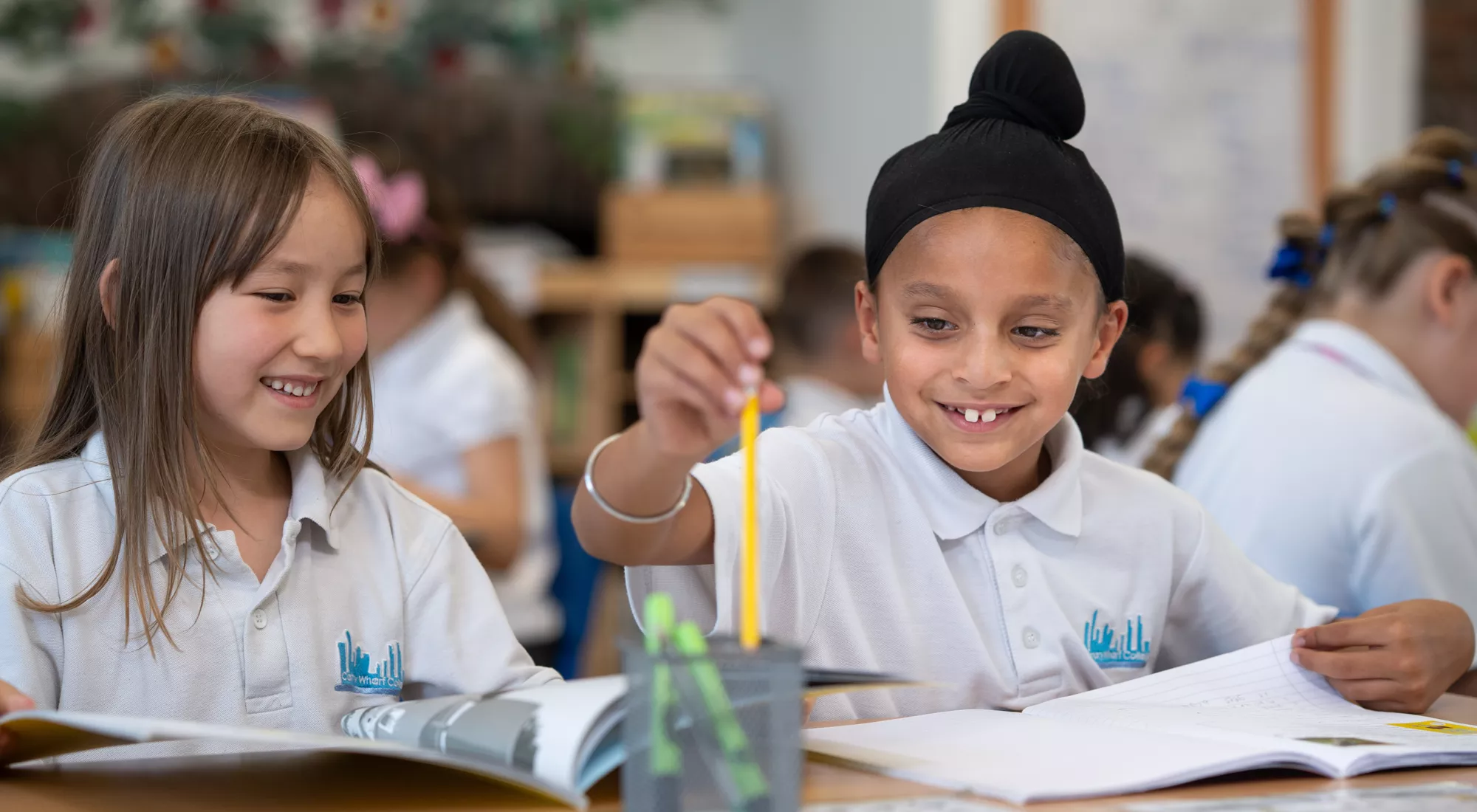
Curriculum information
Please explore our Writing Progression Documents and Foundational Knowledge Documents below for further information about the knowledge, skills and genres taught within each year group.
Geography
Our vision
At East Ferry, children will develop a secure understanding of the world around them and their place within it. They will gain strong locational knowledge, confidently using maps to identify continents, countries, capital cities and significant geographical features, whilst understanding the diverse climates and physical processes that shape our planet.
They will also understand how people interact with their environment through the study of settlements, trade and human development. Through geographical enquiry and fieldwork, pupils will become curious, informed and responsible global citizens.
Our curriculum
In Key Stage 1 and Key Stage 2, geography is taught through carefully sequenced units of work that progressively develop pupils’ locational knowledge, place knowledge, understanding of human and physical geography, and geographical enquiry skills.
Each unit is carefully planned to develop both substantive geographical knowledge and disciplinary knowledge. Through geographical enquiry, pupils ask questions, interpret evidence, analyse data and draw conclusions about the world around them. Vocabulary is carefully selected and explicitly taught within every unit, enabling children to articulate their understanding with increasing confidence and precision. New learning builds upon previously acquired knowledge, allowing pupils to make meaningful connections and develop secure geographical understanding over time.
Bringing Geography to life
Fieldwork is an integral part of our geography curriculum. Children participate in purposeful investigations within the local area, using maps, observations and data collection to answer geographical questions and deepen their understanding of place.
Our location in London provides rich opportunities for pupils to explore settlements, land use, transport networks and environmental change through first-hand experiences, enabling them to apply their learning in meaningful contexts and develop a greater appreciation of the world around them.
The impact of our Geography curriculum
By the time children leave East Ferry, they will have developed a secure understanding of the world’s physical and human features, alongside the fieldwork and enquiry skills needed to interpret and understand geographical information. They will be curious, informed and responsible global citizens, equipped with the knowledge and understanding to make sense of an ever-changing world.
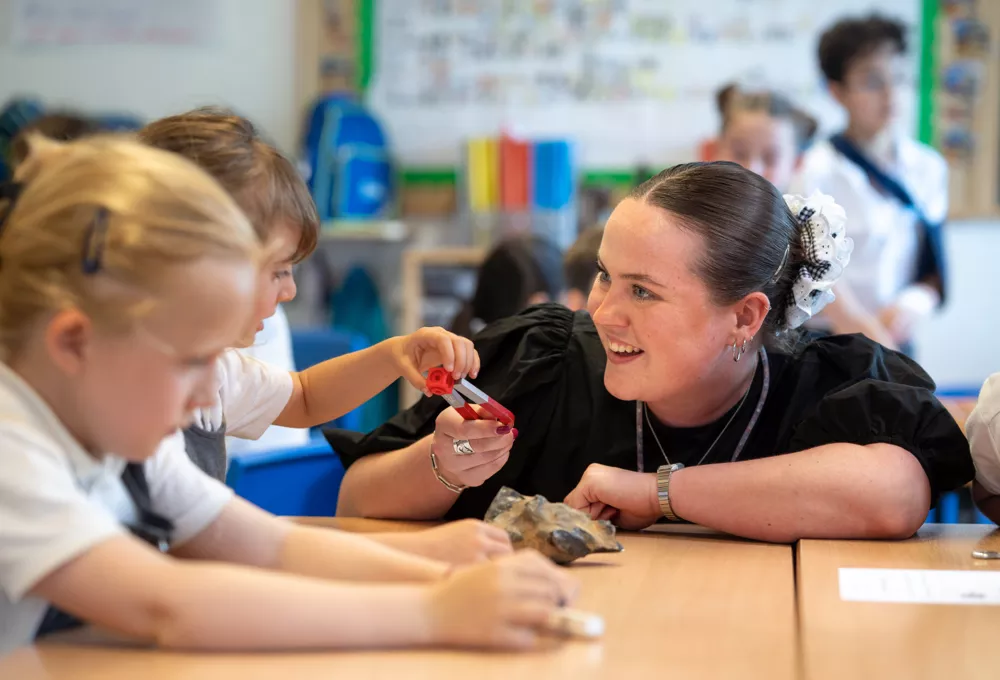
Curriculum information
Please explore our Geography Progression Documents below for further information about the knowledge, concepts, fieldwork experiences and geographical skills taught within each year group.
History
Our vision
At East Ferry, children will gain a better understanding of the world by exploring how the past has shaped modern-day society. They will understand how historians use historical evidence to construct a picture of past events and time periods. Pupils will learn to think as historians: asking and answering questions, critically analysing sources and developing informed interpretations of the past.
Through the study of the big historical concepts of chronology, continuity and change, significance, and similarity and difference, children will deepen their understanding of important themes including injustice and inequality, societal hierarchy, monarchy, parliament, law, taxation, invasion and trade.
Our curriculum
In Key Stage 1 and Key Stage 2, history is taught through carefully sequenced units of work that enable pupils to progressively develop both substantive knowledge (what historians know about the past) and disciplinary knowledge(how historians investigate and interpret the past).
History units have been deliberately designed so that new learning builds upon what pupils have previously studied. Children revisit and strengthen important historical concepts over time, developing increasingly sophisticated historical understanding as they move through the school.
Each unit is driven by a carefully chosen enquiry question, with individual lessons building progressively towards answering this overarching question. Through these enquiries, pupils learn to analyse evidence, consider different interpretations, identify similarities and differences between periods of history and evaluate the significance of people and events.
Vocabulary has been carefully selected and explicitly taught within each unit to support pupils in articulating their historical understanding with increasing confidence and precision.
Bringing history to life
We believe that history should be experienced as well as studied. Every year group participates in meaningful experiences linked directly to their learning, helping children to deepen their understanding and make lasting connections with the past.
Our local area plays a significant role within our curriculum. Children explore the rich history of London through local studies and first-hand experiences, including learning at The Queen’s House and visits to sites of historical significance such as The Tower of London, Buckingham Palace and the Houses of Parliament.
To further enrich learning, we work closely with local library services to provide pupils with access to historical artefacts and carefully selected texts linked to their current studies. These opportunities allow children to engage with authentic historical sources and develop a deeper appreciation of the past.
Developing young historians
Throughout their time at East Ferry, pupils develop as young historians. They learn to think critically, analyse evidence, understand chronology, recognise continuity and change, evaluate significance and construct evidence-informed responses using increasingly sophisticated historical vocabulary.
By the time children leave East Ferry, they will have developed a secure understanding of Britain’s past and that of the wider world. They will understand that history is shaped by evidence, interpretation and enquiry and will leave us equipped with the knowledge, curiosity and critical thinking skills needed to make sense of the world around them.
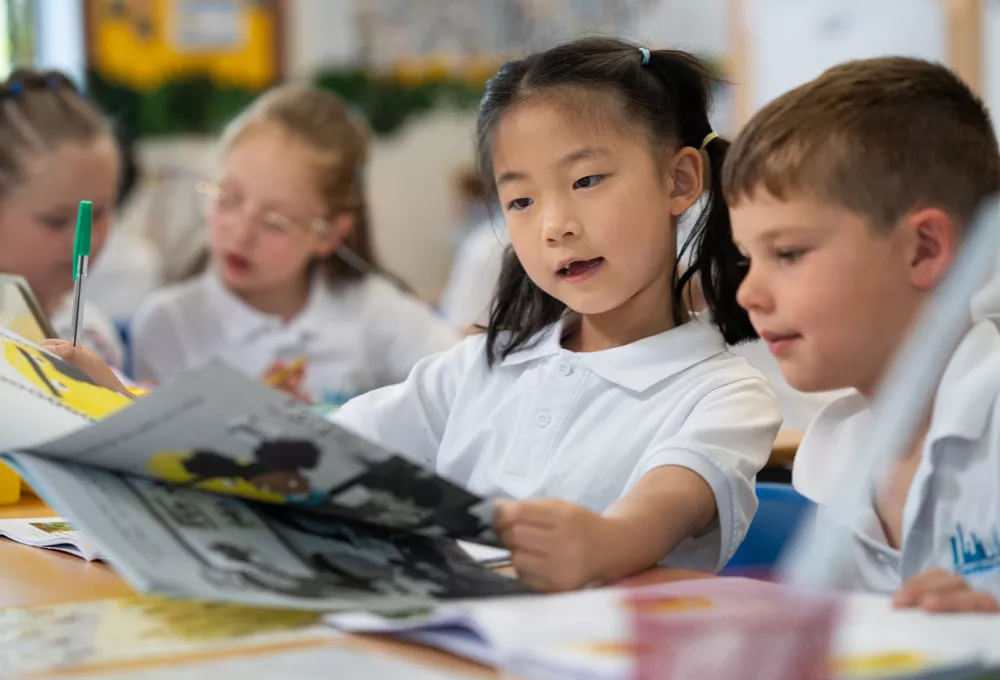
Curriculum information
Please explore our History Progression Documents below for further information about the knowledge, concepts and enquiries taught within each year group.
Maths
Our vision
At East Ferry, children will master the key fundamental skills of mathematics to become confident and numerically agile, with a positive ‘can do’ attitude towards the subject. They will know and apply their times tables with ease and understand the concepts that underpin key mathematical learning, making links across different areas of mathematics.
Children will become confident problem solvers who can articulate their thinking, reason systematically and tackle increasingly challenging mathematical problems with resilience and determination.
Our curriculum
At East Ferry, mathematics is taught daily through a carefully sequenced curriculum informed by the principles of White Rose Maths. Lessons are designed to develop fluency, deepen conceptual understanding and provide regular opportunities for reasoning and problem solving.
Mathematical vocabulary is carefully selected and explicitly taught to enable children to explain their thinking with confidence and precision. Concepts are revisited and built upon over time, ensuring pupils develop secure foundations and make meaningful connections between different areas of mathematics.
Securing strong foundations
We recognise that secure foundational knowledge is essential for future success in mathematics. Our carefully designed progression and foundational knowledge documents identify the key concepts and skills that pupils must master before moving on to more complex learning.
Through regular retrieval, purposeful practice and timely intervention, we ensure that children develop automaticity in fundamental mathematical skills, enabling them to access increasingly challenging concepts with confidence. This approach supports all pupils in building a secure and connected understanding of mathematics over time.
The impact of our Mathematics curriculum
By the time children leave East Ferry, they will be fluent in the fundamentals of mathematics and able to reason and solve problems efficiently and accurately. They will possess the confidence, resilience and mathematical understanding needed to succeed in the next stage of their education and beyond.
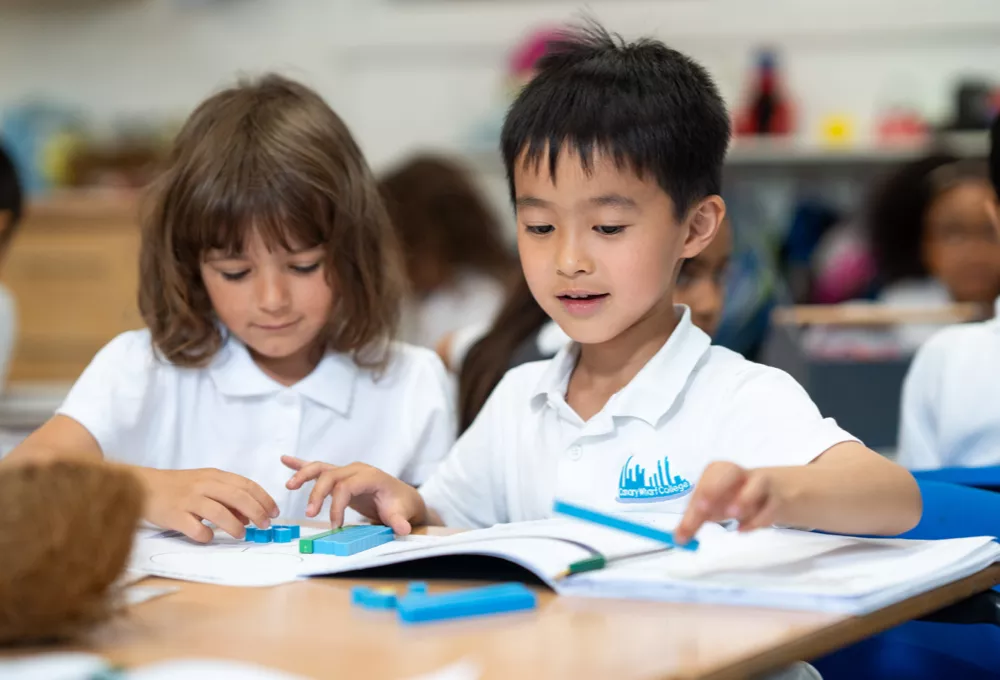
Curriculum information
Please explore our Mathematics Progression Documents and Foundational Knowledge Documents below for further information about the knowledge, concepts and skills taught within each year group.
Music
Our vision
At East Ferry, we believethat every child should experience the joy of music and develop the confidence to express themselves through performance, composition and appreciation. Through a broad and progressive curriculum, children will develop their musical knowledge and skills whilst fostering creativity, resilience and a lifelong appreciation of music.
Our curriculum
Music is taught through a carefully sequenced curriculum that progressively develops pupils’ understanding of the interrelated dimensions of music, including pulse, rhythm, pitch, tempo, dynamics and timbre. Children are given opportunities to sing, listen, compose, improvise and perform, enabling them to develop as confident and reflective musicians.
Vocabulary is explicitly taught to support pupils in discussing and evaluating music with increasing confidence and accuracy. New learning builds upon previously acquired knowledge and skills, allowing children to make meaningful connections and develop their musical understanding over time.
Bringing music to life
We believe that music should be experienced, shared and celebrated. Children have numerous opportunities to perform to a range of audiences throughout their time at East Ferry, developing confidence, teamwork and a sense of achievement.
Pupils participate in a wide variety of musical experiences, including choir performances within the local community, participation in Young Voices, Key Stage 1 Christmas performances and Year 3 and Year 6 productions. Music also plays an important role in our wider school community through events such as International Evenings, where children showcase their talents and celebrate diverse musical traditions.
Children also have opportunities to develop their instrumental skills through the provision of guitar and keyboard lessons, further enriching their musical experiences and fostering a love of performance.
The impact of our music curriculum
By the time children leave East Ferry, they will have developed the confidence to perform, compose and respond thoughtfully to music. They will have gained an appreciation of a wide range of musical styles and traditions and will understand the value of music as a means of expression, creativity and connection with others.
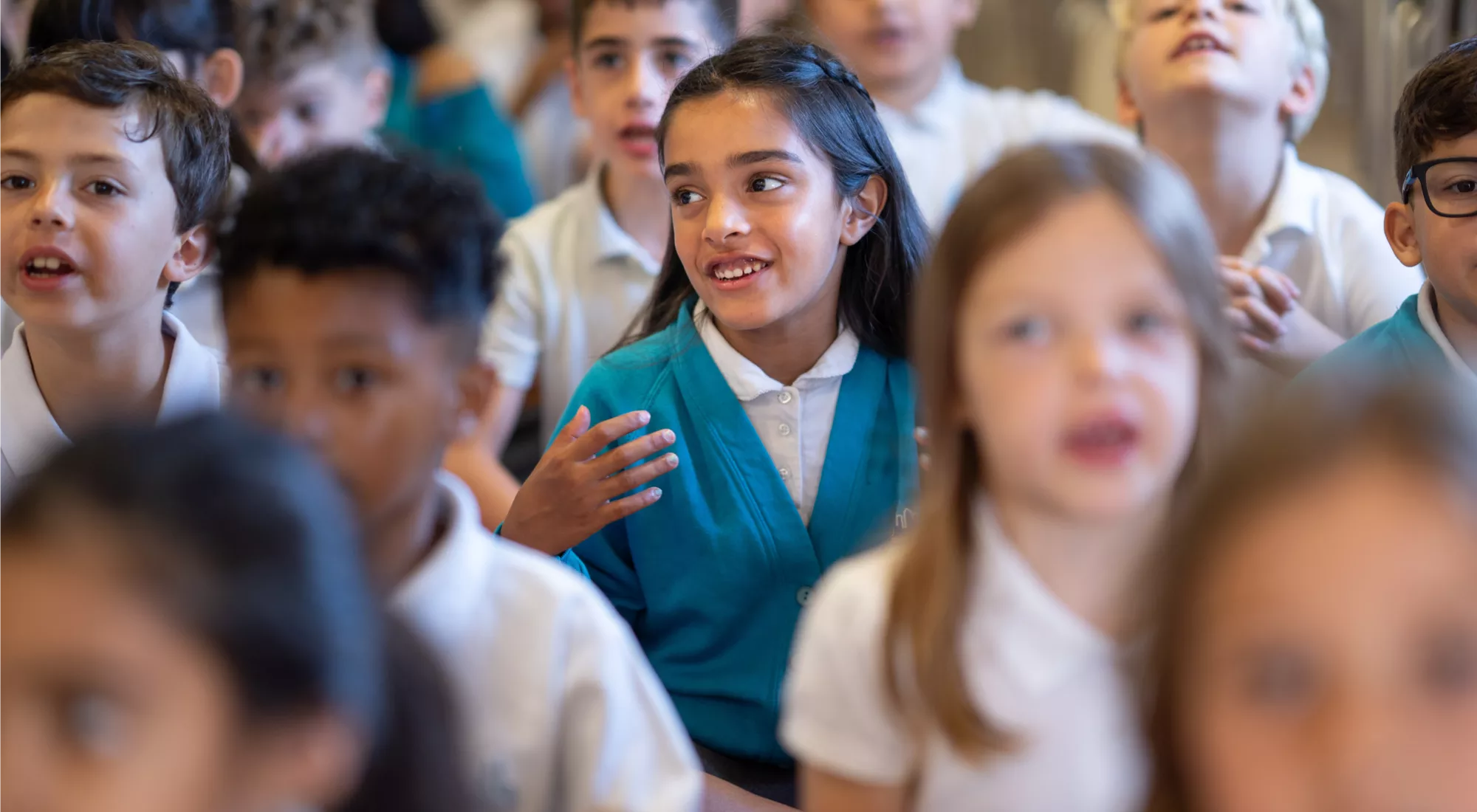
Curriculum information
Please explore our Music Progression Documents below for further information about the knowledge, skills and musical experiences taught within each year group.
Canary Wharf Primary East Ferry Music Development Plan 2026-27
PE
Our vision
At East Ferry, children enthusiastically engage in physical activity and build the foundations for a lifelong love of sport and outdoor activities.
All children become competent and confident in a range of sports, including swimming, gymnastics and dance alongside team games and tennis in Key Stage 1 and cricket in Key Stage 2.
PE deliberately teaches resilience, teamwork and sportsmanship through an ongoing commitment to competitive sport and an ambitious programme of outdoor adventurous activities, including extensive residential opportunities.
Children with particular strengths in sport are provided with abundant opportunities to fulfil their potential and achieve exceptional standards in competitive sport at borough and wider level.
Our curriculum
PE is taught through a carefully sequenced curriculum that progressively develops pupils’ fundamental movement skills, physical competence and tactical understanding from the Early Years through to Year 6. Knowledge and skills are deliberately revisited and refined over time, enabling children to apply them confidently in increasingly complex contexts.
Across the year, pupils experience a broad range of activities including invasion games, gymnastics, dance, athletics, racket sports and swimming. Lessons explicitly teach the skills, rules and strategies associated with each activity, while promoting positive attitudes towards physical activity, healthy lifestyles and personal achievement.
Bringing PE to life
Physical education extends far beyond curriculum lessons at East Ferry. Pupils participate in an extensive programme of fixtures, festivals and tournaments throughout the year, representing the school across a wide range of sports. Opportunities are carefully planned to ensure that all children, including those with SEND, can experience the enjoyment and benefits of competitive sport.
Children also benefit from outdoor adventurous activities and residential experiences that develop resilience, independence and teamwork. For those demonstrating particular aptitude and enthusiasm for sport, regular opportunities are provided to compete at borough and wider levels, enabling them to strive for excellence and fulfil their potential.
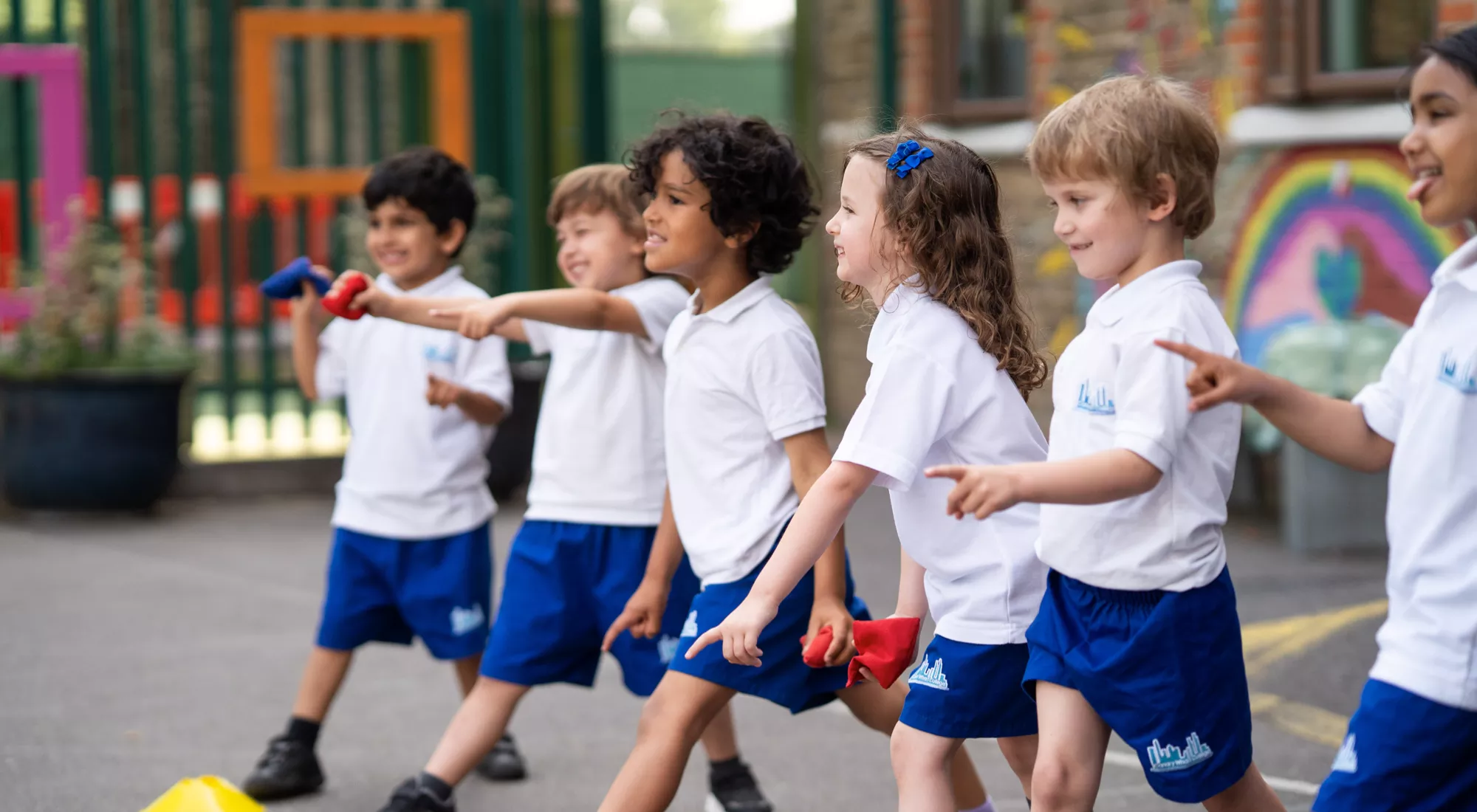
Curriculum information
Please explore our PE Progression Documents below for further information about the knowledge and skills taught within each year group.
PSHE
Personal development, PSHE and relationships education
At East Ferry, personal development is at the heart of everything we do. Alongside academic success, we are committed to ensuring that every child develops the confidence, character, knowledge and skills they need to thrive in modern society and contribute positively to their community.
Our approach is rooted in our core values of Respect, Kindness, Resilience, Love of Learning and Belonging. These values are not standalone statements; they are lived daily through our curriculum, relationships, routines, enrichment opportunities and wider school life.
PSHE and emotional development
We follow the SCARF curriculum, adapted thoughtfully to meet the needs of our pupils and the East Ferry community. Weekly PSHE lessons provide a structured and supportive space for children to explore themes including wellbeing, relationships, safety, citizenship and healthy lifestyles.
Children are encouraged to listen carefully, express ideas respectfully and reflect on different perspectives. Over time, they develop confidence in discussing sensitive topics, empathy towards others and a strong sense of personal responsibility.
Emotional development is explicitly supported through a whole-school Zones of Regulation approach. This shared language enables children to recognise, understand and manage their emotions, helping them develop self-awareness, self-regulation and strategies for responding positively in different situations. Pupils are also able to seek support or ask questions through our Talk to the Teacher boxes, ensuring every child has a voice and feels heard.
Relationships and health education
Relationships and Health Education is taught sensitively, consistently and in an age-appropriate way across the school.
Children develop a secure understanding of healthy friendships, respect, personal boundaries, consent, safe and unsafe touch and online safety. Our curriculum ensures pupils are equipped with the knowledge and confidence to recognise safe relationships and to seek help when needed.
This learning is carefully sequenced to ensure children build understanding progressively as they move through the school.
Leadership, responsibility and pupil voice
We believe children develop character through meaningful responsibility. Across East Ferry, pupils are trusted with a wide range of leadership roles that contribute directly to school life.
These include:
• Librarians
• Assembly Monitors
• Lunch Leaders
• Peer Mentors
• Eco Committee members
• Tech Team representatives
• Learning Environment Ambassadors
• Members of the East Ferry Parliament
These roles are purposeful and valued. They help children develop communication, teamwork, organisation and leadership skills, while also fostering pride, confidence and a strong sense of belonging within the school community.
Diversity, Inclusion and Belonging
We actively celebrate the diversity of our school community and ensure that children grow up with respect, curiosity and appreciation for different cultures, faiths and traditions.
Through events such as International Evening, Black History Month and curriculum-linked learning, pupils develop an understanding of the wider world and their place within it. This helps children to develop empathy, broaden their horizons and recognise the value of difference within a united school community.
Personal development in practice
Personal development is not an isolated part of school life; it is woven through everything we do.
Through daily interactions, curriculum learning, assemblies, enrichment and pastoral support, children develop the knowledge, values and character to become respectful, responsible and active citizens. They leave East Ferry not only academically prepared, but also socially and emotionally equipped for the next stage of their education and life beyond school.
Curriculum information
Please explore our PSHE Progression Documents below for further information about the knowledge and skills taught within each year group.
PSHE What Your Child Learns (Reception to Year 6)
RE
Our vision
At East Ferry, Religious Education encourages children to explore a range of religions, worldviews and beliefs with curiosity, respect and an open mind. Through asking thoughtful questions and engaging with different perspectives, pupils develop an understanding of the diverse world in which they live.
Children learn to appreciate both similarities and differences between faiths and worldviews, while reflecting on their own beliefs, values and experiences. Through RE, pupils develop empathy, critical thinking and the confidence to discuss challenging questions about identity, morality, belonging and meaning.
Our curriculum
Our RE curriculum is delivered through Kapow Primary’s progressive and carefully sequenced scheme of work from Year 1 to Year 6. Learning is structured around engaging enquiry questions that encourage children to investigate beliefs, practices, celebrations and worldviews from a range of religious and non-religious perspectives.
Pupils develop both substantive knowledge about religions and worldviews, and disciplinary knowledge by learning how to ask meaningful questions, analyse sources, consider different viewpoints and construct reasoned responses. Through revisiting and building upon key concepts including belief, identity, community, authority, morality and belonging, children deepen their understanding over time.
Lessons provide opportunities for discussion, reflection and respectful debate, enabling pupils to articulate their own ideas while recognising and valuing the experiences and beliefs of others.
Bringing RE to life
We believe that Religious Education is best understood through meaningful experiences and authentic encounters. Children explore artefacts, sacred texts, artwork, music and stories from different faith traditions to deepen their understanding of religious beliefs and practices.
We work closely with our local library service to provide pupils with access to high-quality texts and religious artefacts that enrich their learning and bring abstract concepts to life. In addition, every year group visits a different place of worship each year, enabling children to experience first-hand the diversity of beliefs and practices within their local and wider communities.
These opportunities help pupils to develop respect, challenge misconceptions and gain a deeper appreciation of the role that religion and worldviews play in shaping individuals, communities and society.
Right of Withdrawal
Parents and carers have the right to withdraw their child from all or part of Religious Education (RE). If you wish to exercise this right, please contact the school office.
Curriculum information
Please explore our RE Progression Documents below for further information about the knowledge, concepts and enquiry questions taught within each year group.
Science
Our vision
At East Ferry, children will develop an exceptional, authentic understanding of science as a discipline of enquiry, underpinned by substantive and disciplinary knowledge that explains the world in which they live.
They will undertake a journey towards scientific expertise, engaging in critical thinking and practical enquiry to build a deep understanding of complex scientific concepts in biology, chemistry and physics, and the relationships between them. Through curiosity, investigation and reflection, children will develop the confidence to ask questions, make predictions, analyse evidence and draw conclusions as young scientists.
Our curriculum
Our science curriculum is ambitious, carefully sequenced and extends beyond the expectations of the National Curriculum. Learning is organised around overarching enquiry questions, with each lesson driven by a smaller enquiry that progressively builds pupils’ knowledge and understanding towards answering the unit’s big question.
Children develop both substantive knowledge (scientific concepts and content) and disciplinary knowledge (how scientists work and think). Through regular opportunities to observe, question, investigate, test and evaluate, pupils learn that science is a dynamic process of discovery rooted in evidence.
Scientific vocabulary is explicitly taught and revisited to enable children to communicate their understanding with increasing precision and confidence. Across each phase of learning, children revisit and build upon prior knowledge, making meaningful connections within and between the disciplines of biology, chemistry and physics.
Bringing Science to life
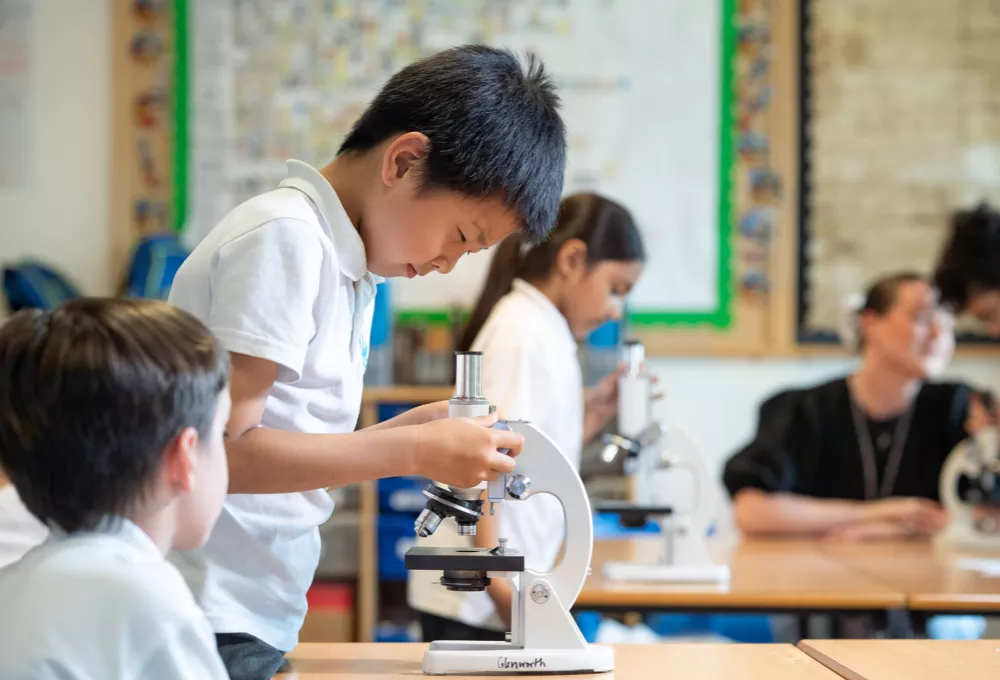
We believe that science is best learned through first-hand experiences that inspire curiosity and deepen understanding. Children regularly participate in practical investigations and hands-on enquiries that allow them to apply their scientific knowledge in meaningful contexts.
Pupils engage in a wide range of memorable scientific experiences throughout their time at East Ferry, including age-appropriate dissections that develop understanding of anatomy and physiology, from fish dissections in Key Stage 1 to heart, lung and liver dissections in Upper Key Stage 2.
Our annual Science Week provides opportunities for children to take part in exciting experiments, workshops and encounters with visiting scientists and STEM professionals. Children also benefit from educational visits and partnerships that enrich the curriculum, including workshops at Kew Gardens linked to plant science and a partnership with University College London (UCL), where Year 6 pupils participate in university-based scientific learning experiences linked directly to their curriculum studies.
These opportunities enable children to see themselves as scientists, fostering aspiration, curiosity and a lifelong appreciation of the role science plays in understanding and improving the world around us.
Curriculum information
Please explore our Science Progression Documents below for further information about the knowledge, concepts and enquiry questions taught within each year group.
Spanish
Our vision
At East Ferry, we aim to foster a love of languages and an appreciation of different cultures through the teaching of Spanish. Children will develop the confidence to communicate in Spanish through speaking, listening, reading and writing, whilst gaining an understanding of how languages work. Through learning Spanish, pupils will develop curiosity about the wider world and build the foundations needed for future language learning at secondary school and beyond.
Our curriculum
Spanish is taught as a discrete subject from Years 1 to 6 through a carefully sequenced and progressive curriculum. Learning is designed to build systematically over time, enabling pupils to revisit and extend their knowledge and skills as they move through the school.
Children develop their understanding of spoken and written Spanish through engaging units of work that explicitly teach vocabulary, pronunciation and key grammatical structures. They learn how language is organised, make comparisons between Spanish and English, and apply their knowledge to communicate with increasing confidence and accuracy.
Throughout their learning journey, pupils develop the essential skills of speaking, listening, reading and writing. Lessons provide opportunities for children to practise and apply their knowledge through songs, games, stories, role play and collaborative activities that motivate and inspire learners. As pupils progress through the curriculum, they build their fluency and develop the confidence to express their ideas and respond to others in Spanish.
Children also gain an understanding of the cultures and traditions of Spanish-speaking countries, developing respect for diversity and an appreciation of the wider world.
Curriculum information
Please explore our Spanish Progression Documents below for further information about the knowledge, vocabulary and skills taught within each year group.
Come and experience for yourself what makes a Canary Wharf Primary East Ferry education unique.
We are looking forward to welcoming pupils and their families to our Open Events.